How to Choose a Tattoo Design That Ages Well
Placement, size, style, and linework — the decisions that decide whether your tattoo looks great in twenty years or turns into a blur.
Every tattoo artist has seen it: a design that looked delicate and detailed the day it was done, and five years later looks like a smudge. Ink is not printed on the skin, it lives in it — and skin changes. Lines spread slightly as ink settles, sun and time soften contrast, and tiny details placed too close together merge. The good news is that aging is predictable. Tattoos drawn with aging in mind still look bold decades later. This guide covers what makes the difference, whether you are picking a premade design from our gallery or thinking about a custom piece.
Start with placement, not the picture
The same design behaves differently on different parts of the body. Skin that stretches, bends, and sees sun — hands, feet, elbows, knees, neck — ages tattoos faster and fades them sooner; pieces there usually need touch-ups over the years. Flat, stable, usually-covered areas — upper arm, shoulder blade, thigh, calf, chest, back — hold detail the longest. Placement also has a practical side: a visible tattoo is a daily part of your professional and social life, and a painful one is a longer appointment. As a rough guide, bony and thin-skinned spots (ribs, feet, spine, hands) hurt more than padded ones (outer arm, thigh, calf). Talk honestly with your artist about both. Finally, think about flow: a good design follows the shape of the muscle it sits on instead of fighting it. Vertical pieces suit arms and legs; wide pieces sit naturally across the back, chest, and shoulders. When a design is drawn for a placement, it looks like it grew there.
Size and detail: bold will hold
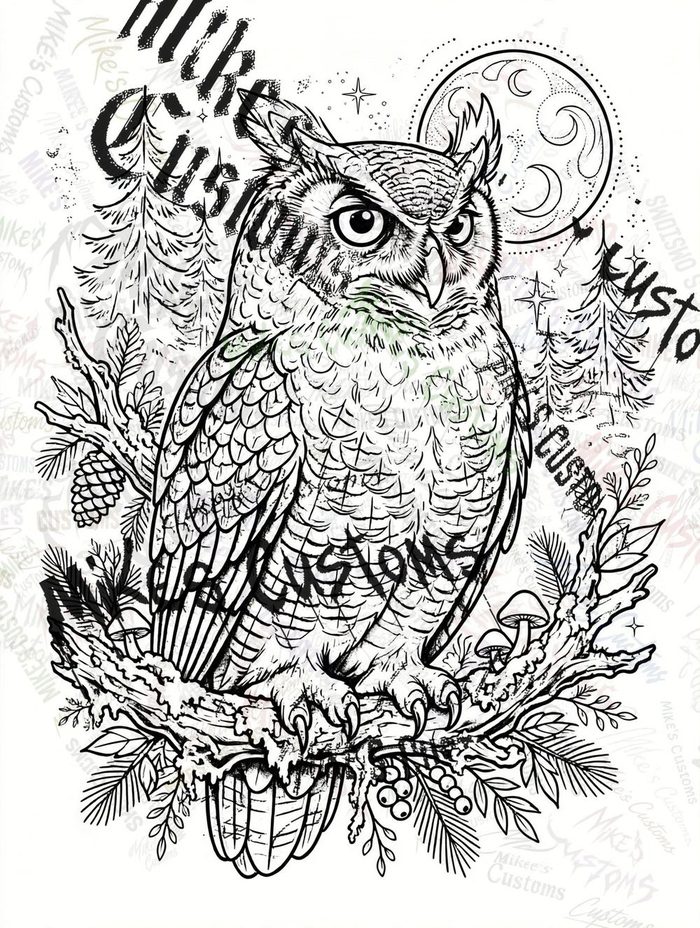
The tattooist's saying is literal truth: bold will hold. Ink spreads a fraction of a millimeter as it settles into the skin over the years — the process is sometimes called blowout's slow cousin, and it happens to every tattoo, not just badly done ones. That means the gaps between lines are as important as the lines themselves. A one-inch design crammed with twenty tiny details will merge into a dark blob; the same art at three inches, with breathing room between elements, stays readable for life. Micro and fine-line tattoos can be beautiful, but go in knowing they are the highest-maintenance style: expect softening and plan on touch-ups. If a design you love is detail-heavy, the two honest options are to tattoo it bigger or simplify it — a good artist will redraw busy areas with cleaner shapes and stronger contrast rather than just shrinking the whole thing. The minimum-size math behind that advice is spelled out in small tattoos that stay sharp.
The major styles, and how they age
- American traditional: thick black outlines, limited color, simple shapes. The best-aging style there is — pieces from the 1950s are still readable today.
- Neo-traditional: traditional's structure with more color, detail, and line variation. Ages well when the artist keeps a strong outline and avoids packing details too tightly.
- Blackwork and dotwork: bold black shapes age excellently; fine dotwork gradients soften over time and may need refreshing.
- Realism and portraits: depends on contrast rather than outlines. Well-executed realism with strong dark values holds up; soft, low-contrast realism fades fastest of all and needs an experienced specialist.
- Fine line: elegant and subtle, and the style most prone to fading and line dropout. Choose an artist who specializes in it, and budget for a touch-up.
- Japanese (irezumi): large-scale, flowing, built on bold outlines, background elements, and strong color. Designed for the body and ages gracefully, especially as full sleeves and back pieces.
- Watercolor: pretty when fresh, but it has no outline to hold the color in, so edges diffuse over the years. Looks best treated as an accent over a solidly outlined design.
- Tribal and geometric: solid black shapes hold extremely well; intricate geometric patterns need precise spacing so lines do not merge.
What ages well, and what ages poorly
| Design trait | Ages well | Ages poorly |
|---|---|---|
| Outlines | Thick black outlines, as in American traditional — pieces from the 1950s are still readable today. | No outline to hold the color in, as in watercolor, so the edges diffuse over the years. |
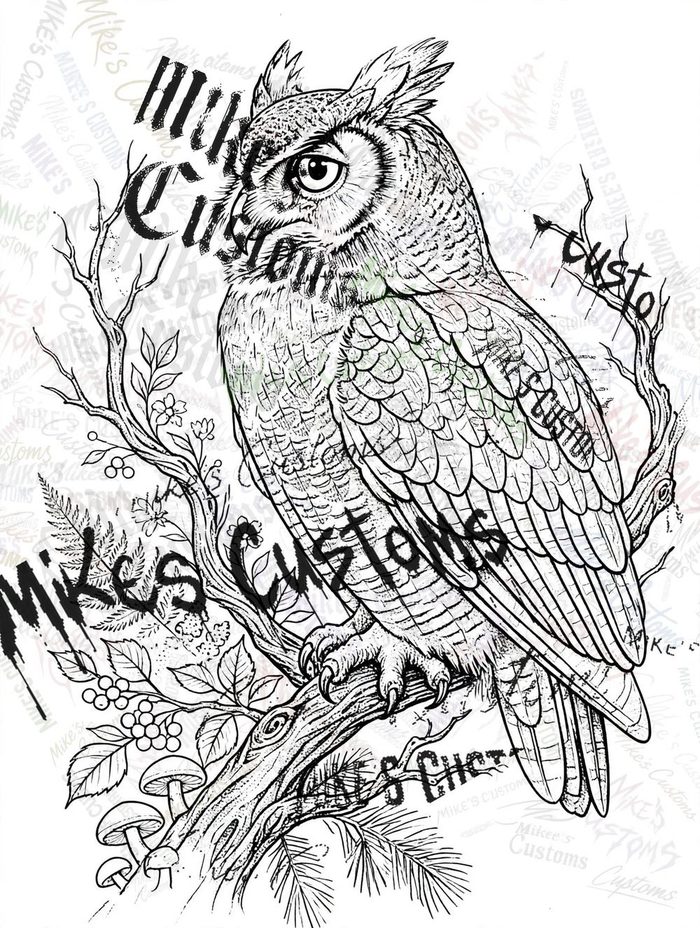
| Detail and spacing | Breathing room between elements, with the gaps between lines treated as part of the design. | Tiny details placed too close together, which merge as ink spreads a fraction of a millimeter while it settles. |
| Size for the detail | A detail-heavy design tattooed bigger — the same art at three inches stays readable for life. | A one-inch design crammed with twenty tiny details, which merges into a dark blob. |
| Contrast | True blacks against open skin, and realism built on strong dark values. | Everything in one mid-tone; soft, low-contrast realism fades fastest of all. |
| Blackwork and dotwork | Bold black shapes and solid black tribal forms, which hold extremely well. | Fine dotwork gradients, which soften over time and may need refreshing. |
| Fine line | Worked by an artist who specializes in the style, with a touch-up planned. | The style most prone to fading and line dropout when treated as low-maintenance. |
Judging a design before it touches skin
You do not need to be an artist to spot a tattooable design. Ask four questions. First, are the main shapes readable from across the room? If you squint and the subject disappears, it is too busy at that size. Second, is there real contrast — true blacks against open skin — or is everything one mid-tone? Third, are the important lines closed and clean, so the artist has an unambiguous stencil to follow? Fourth, could it be simplified without losing what you love about it? If yes, it probably should be. In our gallery, designs are drawn as tattoo-ready artwork: a full-color version plus clean linework, which is exactly what your artist will turn into a stencil.
Skin tone, color, and honesty
Ink sits under your skin, so your skin tone is part of the final color — the same yellow that pops on pale skin reads differently on deep skin. Every color can work on every skin tone when the artist adjusts value and saturation, but it takes an artist who has done it before. Ask to see healed photos of work on skin like yours. A professional will show you proudly; hesitation is your answer.
What you are buying: the license
Premade designs on Tattoo Art Customs are sold with a single-use tattoo license: it gives you the right to have that design tattooed on you, once. The same design may be licensed to other buyers, and copyright stays with the artist — so you cannot resell the artwork or print it on merchandise. If you want a piece nobody else will ever wear, that is what custom design is for: drawn for you alone, from your brief. Either way, your tattoo artist — one of our verified shops or your own local artist — receives clean files they can work from immediately.
Questions to ask before you book
- Can I see healed photos of your work, not just fresh ones?
- Would you change anything in this design so it ages better on me?
- What size do you recommend for this placement, and why?
- What is your touch-up policy?
- How do you want the artwork files — print, email, or a stencil-ready linework sheet?
Ask those, listen to the answers, and you will end up with a tattoo you still like in twenty years. Start with the design gallery, read how healing works so you know the full commitment, or go custom if the perfect design does not exist yet.