American Traditional (Old School) Tattoos: The Complete Guide
The original American tattoo style: bold black outlines, a tight palette of red, green, yellow and brown, and imagery — eagles, anchors, swallows, daggers, roses — built to stay readable for a lifetime.
American traditional, often called old school, is the style that built modern tattooing. It took shape in the early 1900s among sailors, soldiers and circus performers, and its look was dictated by the tools and inks of the time: thick black outlines, flat fields of color, and a short list of pigments that actually stayed in skin. The classic subject matter comes straight from that world — eagles, anchors, swallows, tall ships, daggers, snakes, pin-up girls, roses and playing cards, each one a symbol its wearer carried for luck, loyalty, faith or survival.
The rules of the style are famous because they work: "bold will hold." A traditional tattoo is drawn to survive decades of sun, skin stretch and cell turnover. The heavy outline acts like a fence that keeps color where it was put, and the simple, high-contrast shading stays legible when fine detail in other styles has long since blurred together.
American Traditional (Old School) at a glance
| Line weight | Bold to heavy black outline, thicker than most styles |
|---|---|
| Palette | Black, red, golden yellow, green and brown; skin left open as highlight |
| How it ages | Best-aging style there is; lines thicken slightly, colors soften with sun |
| Best placements | Upper arm, forearm, calf, shoulder, chest and thigh |
| Minimum size | 3 to 4 inches for a single emblem; palm-sized and up is ideal |
How American Traditional (Old School) designs are drawn
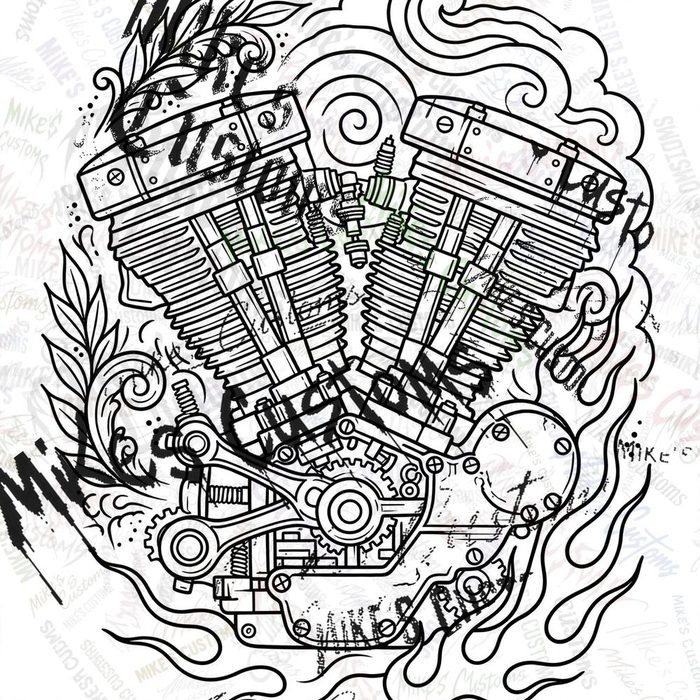
A traditional design is built on a strong black outline — noticeably thicker than in most other styles — with flat color laid in behind it and simple whip shading for depth. The palette is deliberately limited: black, red, golden yellow, green and brown, with skin left open as the highlight. Subjects are stylized rather than realistic, drawn at a slight remove from life so the silhouette reads from across the room. Negative space matters: traditional pieces breathe, with open skin between elements instead of background fill packed edge to edge.
Best placements for American Traditional (Old School) tattoos
Traditional work sits happily almost anywhere flat enough to hold a bold shape: upper arms, forearms, calves, shoulders, chest and thighs are the classic canvases. Because the imagery is emblem-like, pieces are usually placed as single strong statements with skin around them, or collected over years into a patchwork sleeve where each design keeps its own outline and breathing room. Curved, high-motion areas like elbows and knees take traditional well because the bold shapes tolerate distortion better than detail-heavy work.
Placement changes how a traditional piece is drawn, not just where it sits. On the outer forearm and outer upper arm the skin is comparatively stable and the design can stay flat and frontal, which suits eagles, daggers and banner work. On the inner bicep the skin is softer and stretches more when the arm bends, so artists round the composition and keep fine banner lettering larger there. The calf takes bold shapes well but swells during a long session, so larger calf pieces are often outlined first and colored once swelling settles. Chest pieces need symmetry checked with the body standing, arms relaxed, because a centered eagle that looks level while you are stretched on the table can sit crooked in daily posture. Sternum and stomach skin stretches substantially with weight change, so experienced artists keep the central motif bold and avoid packing small secondary elements tight there. Hands and fingers remain specialist territory even in this forgiving style: knuckle skin renews quickly, lines thicken noticeably, and most traditional hands need a planned second pass after healing.
How big does a American Traditional (Old School) tattoo need to be?
Bold linework buys size flexibility, but traditional still has a floor: most single-subject pieces want at least three to four inches so the color fields stay open and the shading has room to breathe. Cluster too much into a small space and a traditional design loses the simplicity that makes it work. Palm-sized and larger is the sweet spot for single emblems; full traditional sleeves and back pieces scale the same vocabulary up without changing its rules.
How American Traditional (Old School) tattoos age
This is the best-aging style in tattooing, full stop. Expect the black to soften slightly and the lines to thicken a fraction over the years — traditional is drawn expecting exactly that, so a ten- or twenty-year-old piece still reads clearly. Colors, red especially, may fade with sun exposure; sunscreen and the occasional touch-up keep them punchy. If your first priority is a tattoo that looks right at sixty, this is the style to beat.
Healing and aftercare have their own traditional specifics. Solid color fields, especially red and yellow packed tight, form a heavier scab than line-only work, and picking that scab pulls pigment with it, leaving the pale holidays that show up as patchy color at three weeks. Keep the piece washed, lightly moisturized and out of soaking water until the surface has fully shed, usually ten to fourteen days on arms and legs and longer on the torso. A small percentage of people react to red pigment with raised, itchy healing; that is a conversation for the artist and, if it persists, a clinician, not a reason to scrub or over-apply ointment. In session terms traditional is efficient: a palm-sized emblem is commonly a single sitting of one to two hours, lines first, then black shading, then color, with the heaviest sensation during the outline. People who suit this style want permanence over novelty and accept a limited palette. People chasing photographic detail, pastel color or a design that can be shrunk to an inch will fight the style the whole way and should choose differently.
Choosing a American Traditional (Old School) design
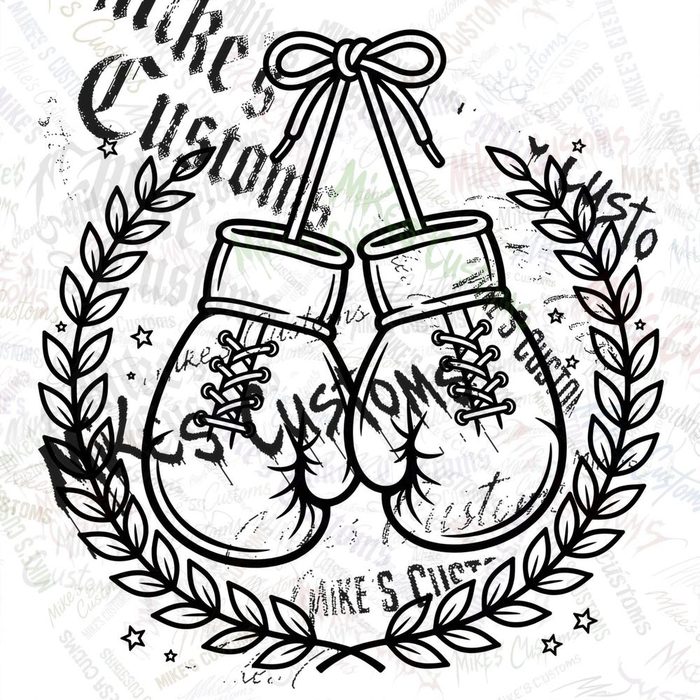
In our gallery, traditional designs are ready to tattoo as drawn: pick a subject that means something to you, check the size range feels right for your spot, and bring the linework file to your artist. Want a classic subject made personal — a name in the banner, your ship, your unit, your number on the dice? Order it as a custom variation and the banner space is set with your text before delivery.
Browse American Traditional (Old School) designs Order a custom American Traditional (Old School) design
Related style guides
- Neo-Traditional — Traditional tattooing grown up: the same bold bones, but with a wider palette, softer shading, decorative detail and subjects that range from foxes and owls to full illustrated scenes.
- Japanese (Irezumi) — Centuries-old Japanese tattooing: dragons, koi, tigers, peonies and waves composed as full-body storytelling, with wind bars, clouds and water binding every element together.
- Black & Grey Realism — Photographic shading built from black ink and water: portraits, statues, animals and scenes rendered in smooth grey gradients with no linework doing the heavy lifting.
New to all of this? Start with how to choose a tattoo design that ages well, then the complete aftercare guide for what happens after the appointment.